




Green Gram Benefits on Health 2024: A Nutritional Powerhouse

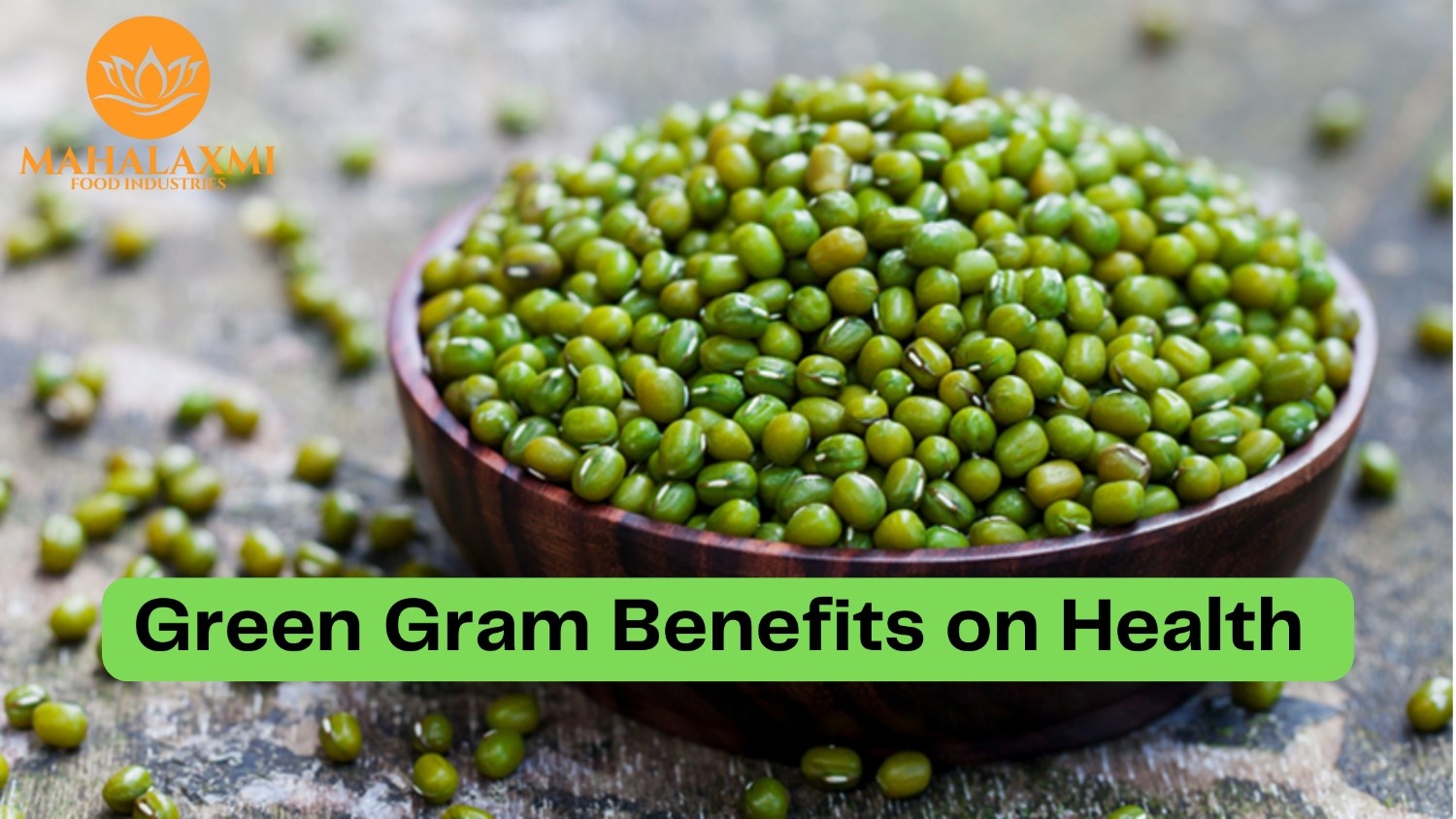
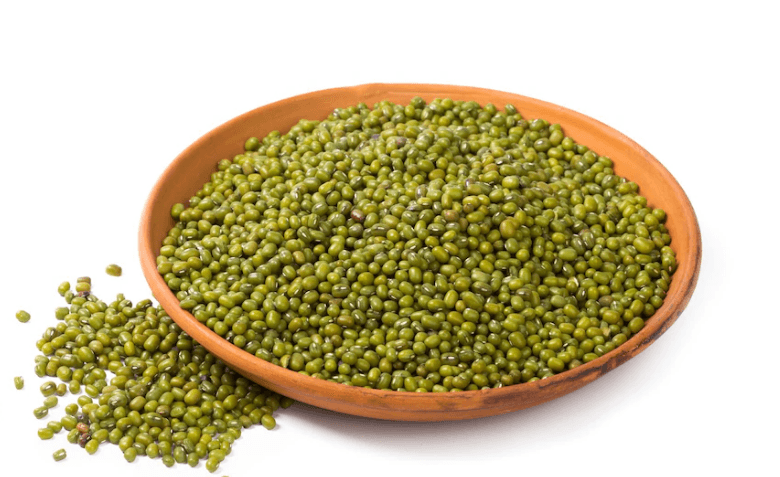
Green Gram Benefits on Health 2024, As we step into 2024, the focus on nutrient-rich superfoods continues to grow, and green gram, also known as mung beans, is emerging as a favorite among health-conscious individuals. This humble legume has been a staple in many Asian and African diets for centuries, and modern research is revealing its powerful health benefits. Rich in proteins, vitamins, minerals, and antioxidants, green gram offers a variety of advantages that contribute to overall well-being.
In this article, we will explore the numerous health benefits of green gram, its nutritional profile, and why it should be a key part of your diet in 2024.
Read More: Peanut Benefits on Health 2024: A Nutrient-Rich Superfood
Nutritional Profile of Green Gram in 2024

Green gram is packed with essential nutrients that support various aspects of health. Here’s a breakdown of its impressive nutritional profile:
- High Protein Content: Green gram is a valuable source of plant-based protein, providing approximately 7 grams of protein per 100 grams. This makes it an excellent option for vegetarians and vegans.
- Rich in Fiber: With 7.6 grams of dietary fiber per 100 grams, green gram promotes healthy digestion and helps maintain a healthy gut.
- Low in Calories: One serving of green gram contains about 347 calories, making it a nutrient-dense, low-calorie food that fits into most diets.
- Packed with Vitamins and Minerals: Green gram is rich in vitamins A, C, E, K, and B-complex vitamins, as well as minerals like iron, potassium, magnesium, and phosphorus.
- Antioxidant-Rich: Green gram contains a variety of antioxidants, including flavonoids, phenolic acids, and carotenoids, which protect the body from oxidative stress and inflammation.
Health Benefits of Green Gram in 2024

1. Supports Heart Health
Green gram is a heart-friendly food thanks to its high content of fiber, potassium, and magnesium. The dietary fiber in green gram helps reduce LDL (bad) cholesterol levels, while potassium helps regulate blood pressure by balancing the negative effects of sodium in the body. Magnesium, on the other hand, is essential for maintaining a steady heart rhythm and improving overall cardiovascular function.
Additionally, the antioxidants in green gram help prevent oxidative damage to heart tissues, reducing the risk of heart disease and stroke.
2. Aids in Weight Management
Green gram is an excellent addition to weight management diets due to its high fiber and protein content. Both fiber and protein promote a feeling of fullness, which helps control appetite and reduces the tendency to overeat. In 2024, where healthy weight management is a top priority for many, incorporating green gram into meals can support long-term weight loss goals.
The low glycemic index (GI) of green gram also ensures that blood sugar levels remain stable, reducing the likelihood of sudden hunger pangs or energy crashes.
3. Improves Digestive Health
With its high fiber content, green gram is beneficial for maintaining digestive health. Dietary fiber promotes regular bowel movements and prevents constipation. The soluble fiber in green gram forms a gel-like substance in the digestive tract, which helps ease the passage of food and waste, promoting smooth digestion.
Moreover, green gram acts as a prebiotic, supporting the growth of healthy gut bacteria that are essential for maintaining a balanced gut microbiome. This contributes to overall gut health and reduces the risk of conditions such as irritable bowel syndrome (IBS) and other digestive disorders.
4. Regulates Blood Sugar Levels
Green gram is a fantastic food choice for individuals managing or looking to prevent type 2 diabetes. Its low glycemic index means it does not cause rapid spikes in blood sugar levels. The fiber and protein content in green gram slows the absorption of sugars into the bloodstream, ensuring a gradual release of glucose and preventing insulin resistance.
In 2024, with the increasing global prevalence of metabolic disorders, green gram offers a simple yet effective way to regulate blood sugar and promote insulin sensitivity.
5. Boosts Immune Function
As immune health remains a top priority in 2024, green gram provides an array of immune-boosting nutrients. It is particularly rich in vitamin C, which enhances the production of white blood cells that fight infections. The presence of vitamin A supports mucous membranes, which act as the body’s first line of defense against pathogens.
Green gram also contains zinc and antioxidants, which protect immune cells from oxidative damage and ensure their proper functioning, strengthening the body’s ability to ward off illnesses.
6. Promotes Skin Health
The rich content of antioxidants in green gram, such as vitamin E, vitamin C, and beta-carotene, makes it an excellent food for maintaining healthy, youthful skin. Antioxidants neutralize free radicals that cause premature aging, wrinkles, and skin damage. In addition, green gram is known for its anti-inflammatory properties, which can help reduce skin redness, acne, and other inflammatory skin conditions.
Consuming green gram regularly can help improve skin tone, boost collagen production, and promote a radiant complexion.
7. Supports Muscle Growth and Recovery
Green gram is a great source of plant-based protein, which is essential for muscle growth and repair. In 2024, with fitness and active lifestyles gaining more popularity, green gram offers a perfect plant-based alternative to animal proteins. Its protein content supports the repair of muscle tissues after workouts and helps build lean muscle mass.
The amino acids present in green gram, including leucine, play a key role in promoting protein synthesis, further aiding muscle recovery and strength.
8. Enhances Bone Health
Green gram is a valuable source of magnesium and calcium, both of which are crucial for bone health. Magnesium enhances the body’s ability to absorb calcium, which is necessary for maintaining strong and healthy bones. This makes green gram an excellent food for preventing bone-related disorders, such as osteoporosis, especially among aging populations.
Incorporating green gram into the diet can help strengthen bones and reduce the risk of fractures or bone degeneration as we age.
9. Anti-Inflammatory Properties
The anti-inflammatory compounds in green gram, such as flavonoids and phenolic acids, help reduce inflammation in the body. Chronic inflammation is linked to various health conditions, including heart disease, arthritis, and cancer. By consuming green gram, you can help minimize inflammation and lower the risk of developing these chronic conditions.
Green gram’s ability to fight inflammation makes it a powerful food for maintaining overall health and preventing long-term diseases.
How to Incorporate Green Gram into Your Diet

Green gram is incredibly versatile and can be included in your diet in a variety of ways:
- As a Sprout: Green gram can be sprouted and added to salads, sandwiches, or eaten as a snack.
- In Soups and Stews: Green gram can be cooked and added to soups, stews, or curries for a protein-rich meal.
- In Dals and Curries: It’s commonly used in Indian cuisine to make mung dal, a flavorful and nutritious dish.
- As a Flour: Green gram can be ground into flour and used to make healthy pancakes or flatbreads.
- In Smoothies: Sprouted green gram can be added to smoothies for a boost of fiber and protein.
Conclusion
In 2024, green gram stands out as one of the most nutritious and health-promoting foods. From supporting heart and digestive health to promoting weight management, muscle growth, and skin health, green gram offers a multitude of benefits that make it an essential addition to any diet. Rich in proteins, fibers, vitamins, and antioxidants, green gram is a true superfood that enhances both physical and metabolic health.
FAQs About Green Gram Benefits on Health 2024
1. What are the primary health benefits of green gram?
Green gram offers numerous health benefits, including improving heart health, aiding in digestion, promoting weight management, regulating blood sugar, boosting immune function, and supporting skin and muscle health.
2. Is green gram a good source of protein?
Yes, green gram is an excellent source of plant-based protein, providing approximately 7 grams per 100 grams. It is ideal for vegetarians, vegans, and anyone looking for an alternative to animal proteins.
3. How does green gram help with digestion?
Green gram is rich in dietary fiber, which promotes regular bowel movements, reduces constipation, and supports a healthy gut by acting as a prebiotic.
4. Can green gram help with weight loss?
Yes, the high fiber and protein content in green gram helps you feel fuller for longer, reducing hunger and overeating. Its low glycemic index also helps control blood sugar levels, which aids in weight management.
5. Is green gram good for people with diabetes?
Absolutely. Green gram has a low glycemic index (GI), which ensures it doesn’t cause rapid spikes in blood sugar levels, making it a great choice for individuals with type 2 diabetes or those looking to maintain healthy blood sugar levels.
6. What vitamins and minerals does green gram contain?
Green gram is rich in essential vitamins such as vitamins A, C, E, K, and B-complex vitamins, along with important minerals like iron, potassium, magnesium, and phosphorus.
7. How does green gram support heart health?
Green gram contains fiber, potassium, and magnesium, which help lower cholesterol, regulate blood pressure, and support overall cardiovascular health. Its antioxidants also reduce oxidative stress on the heart.
8. Can green gram improve skin health?
Yes, green gram is rich in antioxidants like vitamins C and E, which protect the skin from oxidative damage, reducing signs of aging. It also has anti-inflammatory properties that help combat skin issues like acne and redness.
9. Is green gram good for muscle growth?
Yes, green gram is a valuable source of protein and amino acids, making it an ideal food for muscle repair and growth after exercise.
10. Does green gram have anti-inflammatory properties?
Yes, green gram contains flavonoids and phenolic acids, which have anti-inflammatory effects, helping to reduce the risk of chronic conditions such as heart disease and arthritis.
11. How can I include green gram in my diet?
You can consume green gram as sprouts, add it to soups and stews, use it in dals and curries, incorporate it into smoothies, or grind it into flour for baking.
12. Are there any side effects of consuming green gram?
Green gram is generally safe for most people, but excessive consumption might cause gas or bloating in some individuals. Always ensure you soak or cook them properly to reduce the chances of digestive discomfort.
IF YOU WANT TO BUY ORGANIC GREEN GRAM VISIT BELOW LINK