




Wheat Benefits on Health 2024: A Comprehensive Guide


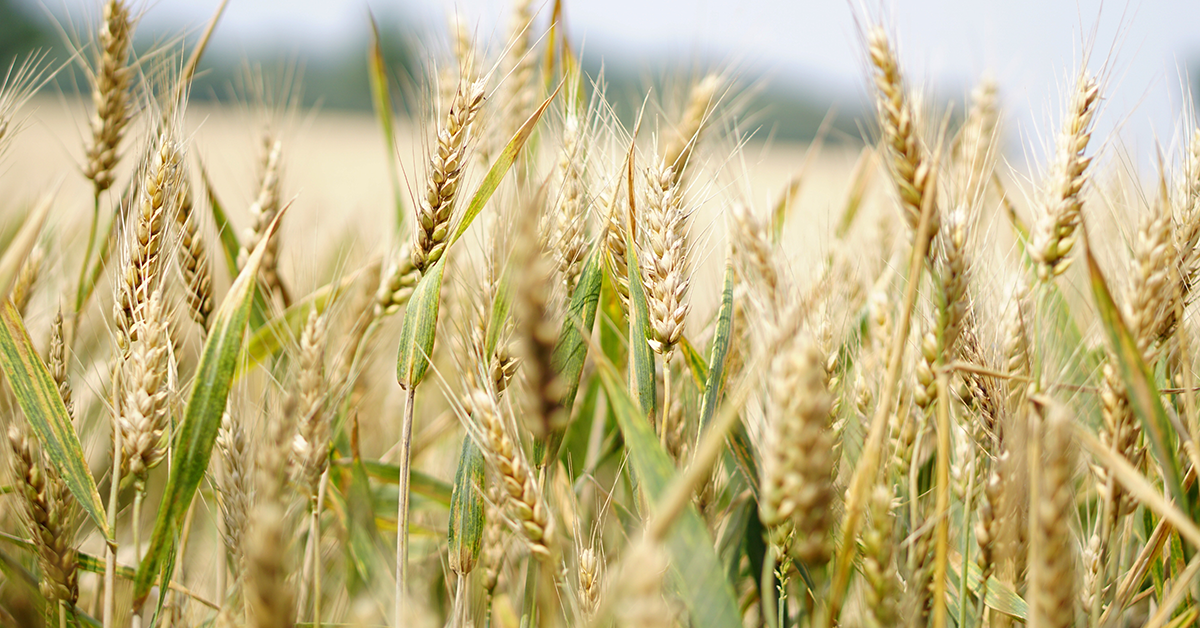
Wheat Benefits on Health 2024, Wheat, one of the most widely consumed grains globally, continues to be a cornerstone of diets across cultures. From bread and pasta to cereals and pastries, wheat is a staple ingredient in countless dishes. In 2024, wheat is not only valued for its versatility in the kitchen but also for its many health benefits. Rich in essential nutrients, wheat can support overall well-being when consumed as part of a balanced diet.
In this article, we’ll explore the health benefits of wheat, its nutritional profile, and why it remains a valuable food choice in 2024.
Read More: Green Gram Benefits on Health 2024: A Nutritional Powerhouse
Nutritional Profile of Wheat in 2024
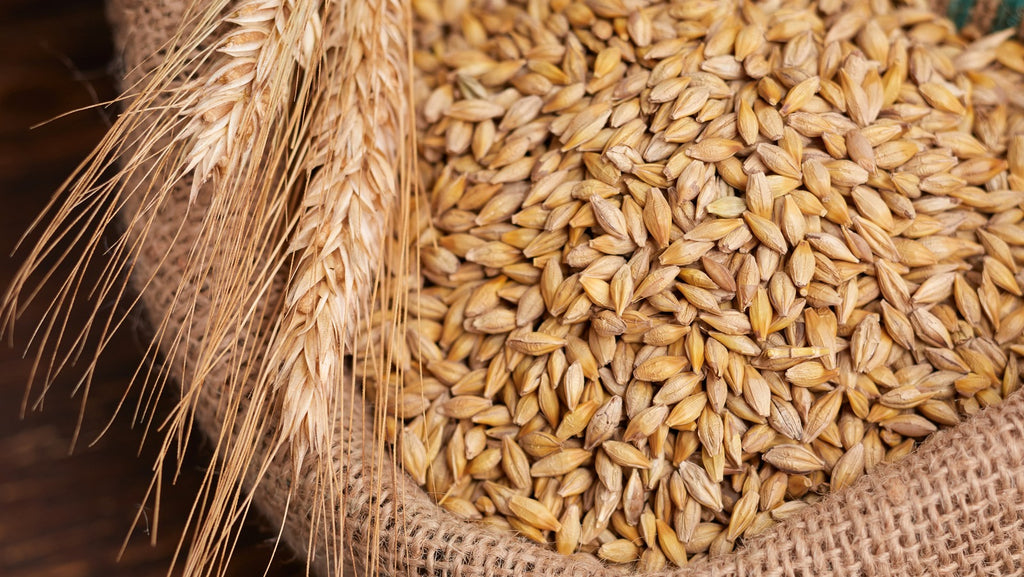
Wheat, especially in its whole form, is a powerhouse of nutrients. It provides a variety of essential vitamins and minerals that support overall health. Here’s a detailed look at its nutritional composition:
- Carbohydrates: Wheat is primarily composed of complex carbohydrates, providing energy for daily activities and supporting brain function.
- Dietary Fiber: Whole wheat is an excellent source of dietary fiber, promoting digestive health and helping to maintain a healthy weight.
- Protein: Wheat contains a moderate amount of protein, around 13 grams per 100 grams, essential for muscle repair and growth.
- Vitamins: Wheat is rich in B vitamins, including B1 (thiamine), B2 (riboflavin), B3 (niacin), B6, and folate, all of which are crucial for energy production, red blood cell formation, and nervous system function.
- Minerals: Wheat provides important minerals like iron, magnesium, phosphorus, zinc, and manganese, which support various bodily functions, including bone health, immune function, and oxygen transport.
- Antioxidants: Wheat contains antioxidants such as selenium and phenolic acids, which help combat oxidative stress and inflammation.
Health Benefits of Wheat in 2024
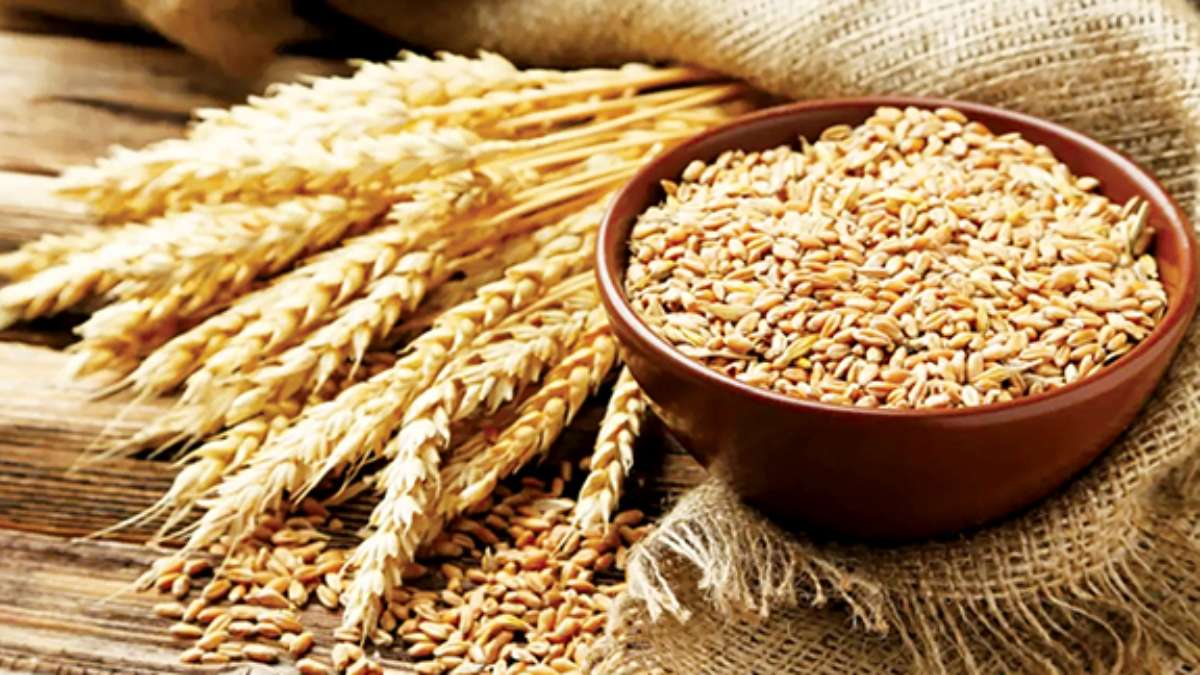
1. Supports Digestive Health
Wheat, particularly whole wheat, is rich in dietary fiber, which plays a crucial role in maintaining a healthy digestive system. Fiber adds bulk to stool, helping to regulate bowel movements and prevent constipation. Regular consumption of wheat can also lower the risk of developing digestive disorders, such as diverticulosis and irritable bowel syndrome (IBS).
Moreover, the fiber in wheat acts as a prebiotic, feeding beneficial gut bacteria and promoting a balanced microbiome, which is essential for overall gut health.
2. Aids in Weight Management
Whole wheat can be a key player in weight management due to its high fiber content. Foods rich in fiber help you feel fuller for longer, reducing the urge to overeat. The complex carbohydrates in wheat are digested slowly, providing a sustained release of energy without causing sudden spikes in blood sugar levels. This makes it an ideal food for those looking to manage their weight or maintain steady energy throughout the day.
By incorporating whole wheat into your meals, you can enjoy the benefits of long-lasting satiety, which helps with portion control and reduces unhealthy snacking.
3. Boosts Heart Health
In 2024, heart health continues to be a major focus for many people, and wheat can play an important role in promoting cardiovascular health. The soluble fiber found in whole wheat helps reduce levels of LDL (bad) cholesterol, which is a major risk factor for heart disease. Additionally, wheat contains magnesium and potassium, both of which are essential for regulating blood pressure and maintaining a healthy heart rhythm.
Regular consumption of whole wheat products can contribute to lower cholesterol, reduced blood pressure, and overall improved heart health, reducing the risk of heart attacks and strokes.
4. Supports Metabolic Health and Reduces the Risk of Diabetes
Whole wheat has a low glycemic index (GI), meaning it causes a gradual rise in blood sugar levels after consumption. This makes it an excellent choice for individuals with type 2 diabetes or those looking to manage their blood sugar levels. The fiber in wheat slows the absorption of glucose, preventing rapid spikes in blood sugar and reducing insulin resistance.
Incorporating whole wheat into your diet can help regulate blood sugar levels and lower the risk of developing metabolic disorders like diabetes.
5. Provides Essential Nutrients for Bone Health
Wheat is a good source of magnesium, phosphorus, and calcium, all of which are vital for maintaining strong bones and preventing bone-related diseases, such as osteoporosis. Magnesium plays a role in calcium absorption and helps maintain bone density. Additionally, the phosphorus in wheat supports bone formation and the overall structure of the skeletal system.
As we age, ensuring that our diet contains foods rich in these essential minerals, like wheat, becomes increasingly important to maintain healthy bones.
6. Supports Brain Function
Wheat contains several B vitamins, such as B6, folate, and niacin, which are essential for brain health and cognitive function. These vitamins help produce neurotransmitters, which are chemicals that transmit signals between nerve cells. Additionally, whole wheat contains iron, which supports the production of hemoglobin, a protein in red blood cells that carries oxygen to the brain.
Regular consumption of wheat can help maintain cognitive function, improve memory, and support overall brain health, particularly as we age.
7. Improves Skin Health
The vitamins and minerals in wheat, particularly zinc, selenium, and vitamin E, contribute to healthy skin. Zinc supports skin repair and helps maintain skin elasticity, while selenium and vitamin E act as antioxidants that protect the skin from oxidative damage caused by free radicals.
By incorporating wheat into your diet, you can help reduce signs of aging, improve skin texture, and support the overall health and appearance of your skin.
8. Enhances Immune Function
Wheat provides a range of nutrients that are essential for immune health. Zinc is a key component in maintaining a strong immune system, helping the body fight off infections and illnesses. Additionally, selenium, an antioxidant found in wheat, helps protect immune cells from damage caused by oxidative stress.
In 2024, with the continued focus on maintaining strong immune systems, consuming whole wheat can contribute to better immune function and overall well-being.
9. Reduces Inflammation
Whole wheat contains antioxidants and anti-inflammatory compounds that can help reduce inflammation in the body. Chronic inflammation is linked to various health conditions, such as heart disease, arthritis, and cancer. The phenolic acids found in wheat have been shown to lower inflammation levels, promoting overall health and reducing the risk of chronic diseases.
10. Supports Muscle Growth and Repair
Wheat, with its moderate protein content, provides essential amino acids that support muscle repair and growth. This makes it an ideal food for those who engage in regular physical activity or strength training. The B vitamins in wheat also support energy production, aiding in muscle recovery after exercise.
Whole Wheat vs. Refined Wheat: Which Is Better?
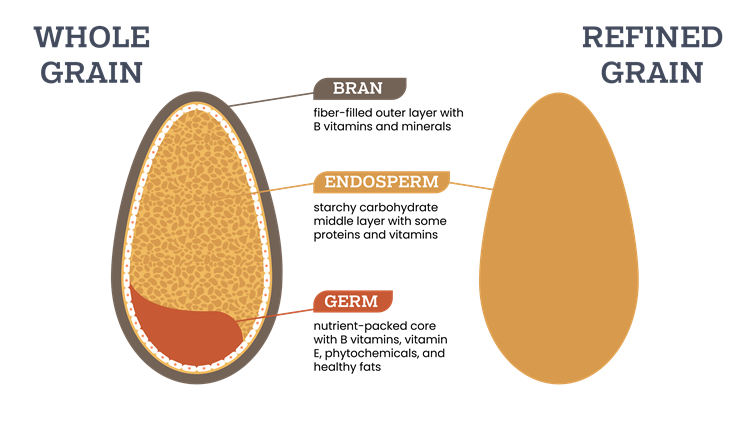
When it comes to health benefits, whole wheat outshines refined wheat by a significant margin. Refined wheat undergoes processing that strips away the bran and germ, which are the most nutrient-dense parts of the grain. As a result, refined wheat products, such as white bread and pastries, contain fewer nutrients and less fiber, and they can cause rapid spikes in blood sugar levels.
Whole wheat, on the other hand, retains all parts of the grain, including the bran, germ, and endosperm, making it a richer source of fiber, vitamins, minerals, and antioxidants. Choosing whole wheat over refined wheat is key to reaping the full health benefits of this grain.
How to Incorporate Wheat into Your Diet

There are countless ways to incorporate wheat into your diet in 2024. Some of the best ways to enjoy wheat include:
- Whole Wheat Bread: Opt for whole wheat bread over white bread to increase your fiber and nutrient intake.
- Whole Wheat Pasta: Use whole wheat pasta in place of refined pasta for a healthier alternative in your favorite dishes.
- Wheat Berries: These whole grains can be cooked and used in salads, soups, or as a side dish.
- Whole Wheat Flour: Use whole wheat flour for baking healthier versions of cakes, muffins, and bread.
- Bulgur and Couscous: These are whole wheat grains that can be used in a variety of Mediterranean dishes.
Conclusion
In 2024, wheat remains one of the most nutritious and versatile grains available. From its ability to support digestive and heart health to promoting weight management and immune function, wheat provides a wide range of health benefits when consumed in its whole form. Whether you’re looking to improve your skin, muscles, or brain health, incorporating whole wheat into your diet can help you achieve your health goals.
For the best results, choose whole wheat over refined options to maximize the nutritional benefits. With its rich nutrient profile and numerous health advantages, wheat is a staple that deserves a prominent place in your diet.
FAQs About Wheat Benefits on Health 2024
1. What are the key health benefits of wheat?
Wheat offers numerous health benefits, including supporting digestive health, promoting heart health, aiding in weight management, regulating blood sugar, improving skin health, and boosting immune function.
2. Is whole wheat better than refined wheat?
Yes, whole wheat is much healthier than refined wheat. Whole wheat retains the bran, germ, and endosperm, making it richer in fiber, vitamins, minerals, and antioxidants. Refined wheat, on the other hand, loses many of these nutrients during processing.
3. Can wheat help with weight management?
Yes, wheat, particularly whole wheat, is high in fiber, which helps you feel fuller for longer, reducing the urge to overeat. This makes it an ideal choice for those looking to maintain or lose weight.
4. Is wheat safe for people with diabetes?
Whole wheat has a low glycemic index (GI), meaning it causes a gradual rise in blood sugar levels, making it a better option for individuals with type 2 diabetes or those who want to manage their blood sugar.
5. How does wheat support heart health?
Wheat contains soluble fiber, which helps lower LDL (bad) cholesterol. It also provides essential minerals like magnesium and potassium, which help regulate blood pressure and improve overall cardiovascular health.
6. What nutrients does wheat provide?
Wheat is rich in B vitamins (such as B1, B6, and folate), iron, magnesium, phosphorus, and zinc. It also contains antioxidants like selenium that support various bodily functions.
7. Does wheat improve digestive health?
Yes, the dietary fiber in wheat helps regulate bowel movements, preventing constipation, and supports a healthy gut by feeding beneficial gut bacteria.
8. Can wheat help improve skin health?
Yes, wheat contains nutrients like zinc, selenium, and vitamin E, which promote healthy skin by protecting against oxidative damage and supporting skin repair and elasticity.
9. Does wheat help in muscle growth?
Yes, wheat provides a good amount of protein and essential B vitamins, which are necessary for muscle repair and growth.
10. How can I include wheat in my diet?
You can add wheat to your diet by consuming whole wheat bread, pasta, using wheat flour in baking, incorporating wheat berries in salads, or using bulgur and couscous in various dishes.
11. Are there any side effects of consuming wheat?
Some people, especially those with celiac disease or gluten intolerance, should avoid wheat due to its gluten content. For those without such conditions, moderate consumption of whole wheat is generally safe and beneficial.