




Toor Dal Benefits on Health 2024: A Nutrient-Packed Legume for a Healthier Life

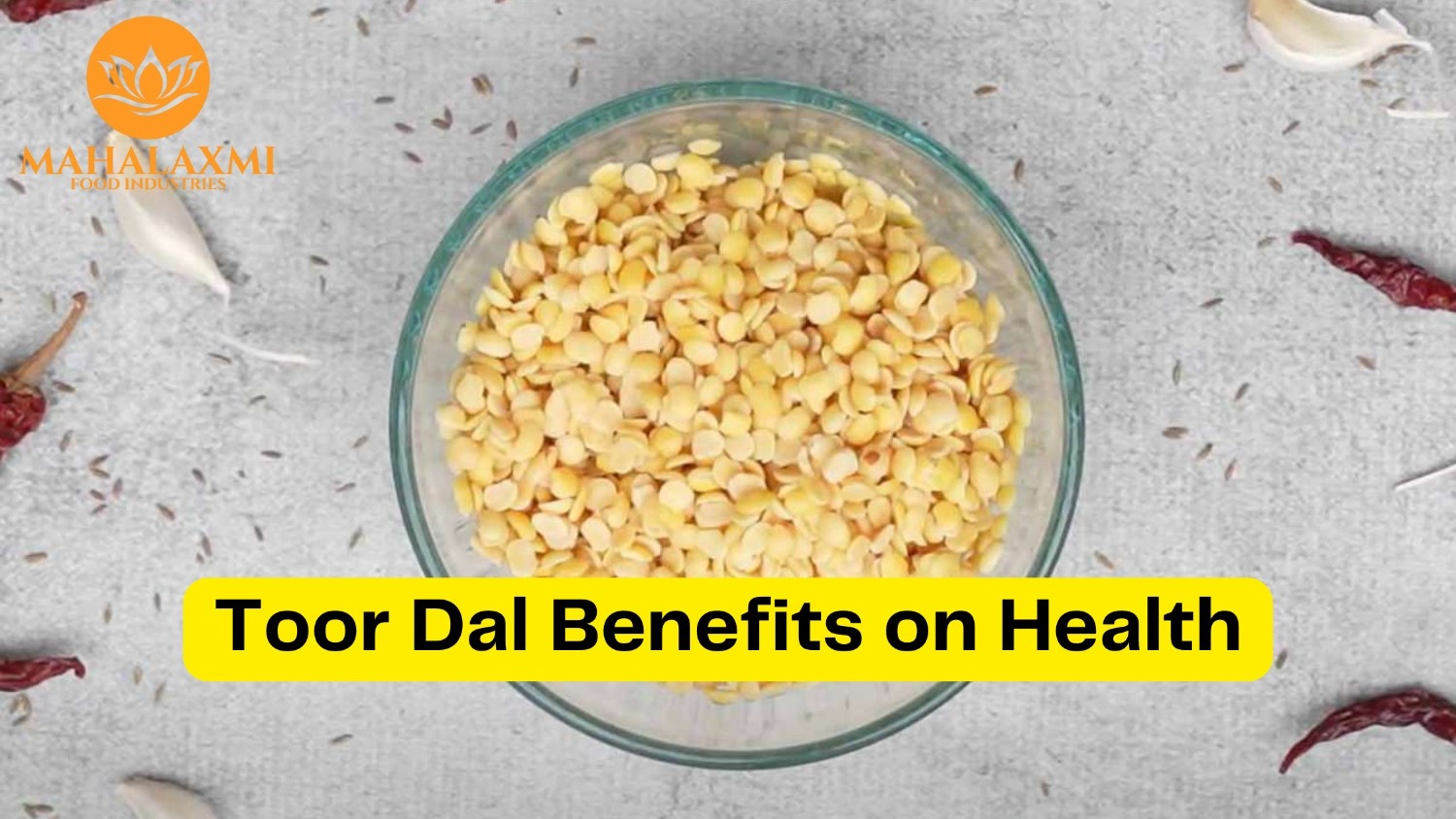

Toor Dal Benefits on Health 2024, Toor dal, also known as pigeon peas, is a staple ingredient in many households, particularly in Indian cuisine. Its versatility, combined with its rich nutritional profile, makes it a superfood that can support a wide range of health benefits. In 2024, as people increasingly look for nutrient-dense, plant-based options to enhance their diets, toor dal continues to stand out for its significant contributions to overall health.
In this article, we’ll explore the key health benefits of toor dal, its nutritional value, and how including it in your diet can improve your well-being.
Read More: Bengal Gram Benefits on Health 2024: A Nutritional Powerhouse for Optimal Well-being
Nutritional Profile of Toor Dal

Toor dal is packed with essential nutrients, making it a powerhouse of proteins, vitamins, minerals, and fiber. Here’s a breakdown of its nutritional content per 100 grams:
- Calories: Approximately 343 kcal
- Protein: Around 22 grams
- Carbohydrates: 63 grams
- Dietary Fiber: 15 grams
- Fat: 1.5 grams
- Vitamins: Rich in B-vitamins such as B1 (thiamine), B2 (riboflavin), B3 (niacin), and folate.
- Minerals: Contains essential minerals like iron, calcium, magnesium, phosphorus, and potassium.
Health Benefits of Toor Dal in 2024

1. High in Plant-Based Protein
Toor dal is an excellent source of plant-based protein, providing about 22 grams per 100 grams, which makes it a perfect addition to vegetarian and vegan diets. Protein is essential for muscle repair, growth, and the overall functioning of the body’s tissues and organs.
As more individuals embrace plant-based eating in 2024, toor dal serves as an important protein source that supports muscle health without relying on animal products.
2. Supports Heart Health
The high fiber content of toor dal plays a key role in promoting heart health. It contains soluble fiber, which helps lower LDL (bad) cholesterol levels and reduces the risk of developing cardiovascular diseases. Additionally, toor dal is rich in potassium, which aids in regulating blood pressure by counteracting the effects of sodium.
The antioxidants found in toor dal also contribute to protecting the heart by reducing inflammation and preventing oxidative damage, which can lead to heart disease.
3. Regulates Blood Sugar Levels
Toor dal has a low glycemic index (GI), meaning it does not cause sudden spikes in blood sugar levels. This makes it an ideal food for individuals with type 2 diabetes or those at risk of developing the condition. The fiber in toor dal slows down the absorption of glucose, helping to maintain stable blood sugar levels after meals.
Incorporating toor dal into your diet can help with diabetes management and reduce the risk of long-term complications associated with fluctuating blood sugar levels.
4. Boosts Digestive Health
Toor dal is high in dietary fiber, particularly soluble fiber, which is essential for digestive health. The fiber content promotes regular bowel movements, helps prevent constipation, and supports a healthy gut microbiome by feeding beneficial bacteria in the intestines.
In 2024, with the growing awareness around the importance of gut health, toor dal offers a natural way to improve digestion and maintain a healthy gastrointestinal system.
5. Supports Weight Management
The combination of high protein and fiber in toor dal makes it a great food for those looking to manage their weight. Protein helps increase feelings of fullness, while fiber slows down digestion, both of which help reduce overeating and control hunger.
Since toor dal is low in fat and contains complex carbohydrates, it provides a steady release of energy, preventing cravings for unhealthy snacks between meals.
6. Rich in Iron for Improved Blood Health
Iron is essential for the production of hemoglobin, the protein in red blood cells that carries oxygen throughout the body. Toor dal is a good source of iron, making it beneficial for individuals at risk of anemia, particularly women and those with higher iron needs.
Consuming toor dal regularly can help boost iron levels, improve blood circulation, and prevent symptoms of anemia, such as fatigue and weakness.
7. Promotes Bone Health
Toor dal contains key minerals such as calcium, magnesium, and phosphorus, all of which are vital for maintaining strong and healthy bones. These minerals help improve bone density and reduce the risk of developing osteoporosis and other bone-related conditions as we age.
Incorporating toor dal into your diet can provide the nutrients necessary to support bone health throughout life, particularly for aging populations.
8. Supports Nervous System Function
The high levels of B-vitamins, including thiamine, riboflavin, niacin, and folate, found in toor dal are essential for maintaining a healthy nervous system. These vitamins play crucial roles in the production of neurotransmitters, which help regulate brain function and mood.
Folate, in particular, is important for pregnant women, as it helps support fetal brain development and prevents neural tube defects.
9. Strengthens Immune System
Toor dal is rich in antioxidants and nutrients that boost the immune system. The vitamins and minerals in toor dal help support the body’s ability to fight off infections and diseases, while the antioxidants protect against free radical damage that can weaken the immune system.
Regular consumption of toor dal can contribute to a stronger, more resilient immune system in 2024, helping you stay healthy and protected.
10. Enhances Energy Levels
Toor dal provides a steady supply of energy due to its complex carbohydrates and rich nutrient profile. Unlike refined grains or processed foods, the carbohydrates in toor dal are digested slowly, preventing energy crashes and providing long-lasting sustained energy throughout the day.
Incorporating toor dal into your meals can help you maintain high energy levels, particularly for those with active lifestyles or those seeking to prevent midday fatigue.
How to Incorporate Toor Dal into Your Diet

Toor dal is a versatile legume that can be used in a variety of dishes. Here are some popular ways to enjoy toor dal:
- Dal Tadka: A traditional Indian dish made by cooking toor dal with spices, onions, and tomatoes. It can be served with rice or chapati.
- Sambar: A South Indian lentil soup made with toor dal, vegetables, and tamarind, typically served with idli, dosa, or rice.
- Dal Soup: A simple and nourishing soup made with toor dal, vegetables, and spices, perfect for a light, nutritious meal.
- Salads: Boiled toor dal can be added to salads for an extra boost of protein and fiber.
- Snacks: Roasted toor dal can be enjoyed as a crunchy, healthy snack.
Conclusion
In 2024, toor dal remains a highly nutritious and versatile legume that offers a wide range of health benefits. From supporting heart health and regulating blood sugar levels to promoting digestive health and boosting the immune system, toor dal is an essential part of a balanced diet.
Its high content of protein, fiber, and essential nutrients makes it ideal for those following vegetarian or vegan diets, as well as anyone seeking to improve their overall health. Whether you enjoy it in traditional recipes like dal tadka or as a protein-rich addition to salads, toor dal is a delicious and nutritious food that can support your well-being in numerous ways.
FAQs About Toor Dal Benefits on Health 2024
1. What are the main health benefits of toor dal?
Toor dal provides numerous health benefits such as improving heart health, regulating blood sugar levels, aiding in digestion, supporting weight management, and boosting the immune system. It is also an excellent source of plant-based protein and important vitamins and minerals like iron and calcium.
2. Is toor dal good for diabetics?
Yes, toor dal has a low glycemic index (GI), which means it helps maintain stable blood sugar levels and reduces the risk of spikes. It’s a great option for individuals with diabetes or those looking to manage their blood sugar.
3. How much protein does toor dal contain?
Toor dal contains about 22 grams of protein per 100 grams, making it a rich source of plant-based protein for vegetarians and vegans.
4. Does toor dal help with weight loss?
Yes, the high protein and fiber content in toor dal helps increase satiety, keeping you fuller for longer and reducing the chances of overeating. This makes it beneficial for those aiming for weight loss.
5. Can toor dal improve digestive health?
Yes, toor dal is rich in dietary fiber, which promotes regular bowel movements and prevents constipation. The fiber also supports a healthy gut microbiome by nourishing beneficial gut bacteria.
6. Is toor dal a good source of iron?
Yes, toor dal is an excellent source of iron, making it particularly beneficial for individuals who are at risk of anemia. Regular consumption can improve blood circulation and prevent symptoms of iron deficiency, such as fatigue.
7. How does toor dal support heart health?
Toor dal helps lower LDL (bad) cholesterol due to its high fiber content, and it contains potassium, which helps regulate blood pressure. The antioxidants in toor dal further support cardiovascular health by reducing inflammation.
8. Can toor dal boost energy levels?
Yes, the complex carbohydrates in toor dal provide sustained energy without causing a spike in blood sugar, keeping you energized throughout the day.
9. What is the best way to consume toor dal?
Toor dal can be consumed in a variety of ways, including as dal tadka, sambar, in soups, or even as a salad ingredient. It can also be roasted and eaten as a healthy snack.
10. Are there any side effects of eating toor dal?
For most people, toor dal is safe and has no major side effects. However, excessive consumption may cause bloating or gas due to its high fiber content. Always consume it in moderation as part of a balanced diet.