




Bengal Gram Benefits on Health 2024: A Nutritional Powerhouse for Optimal Well-being

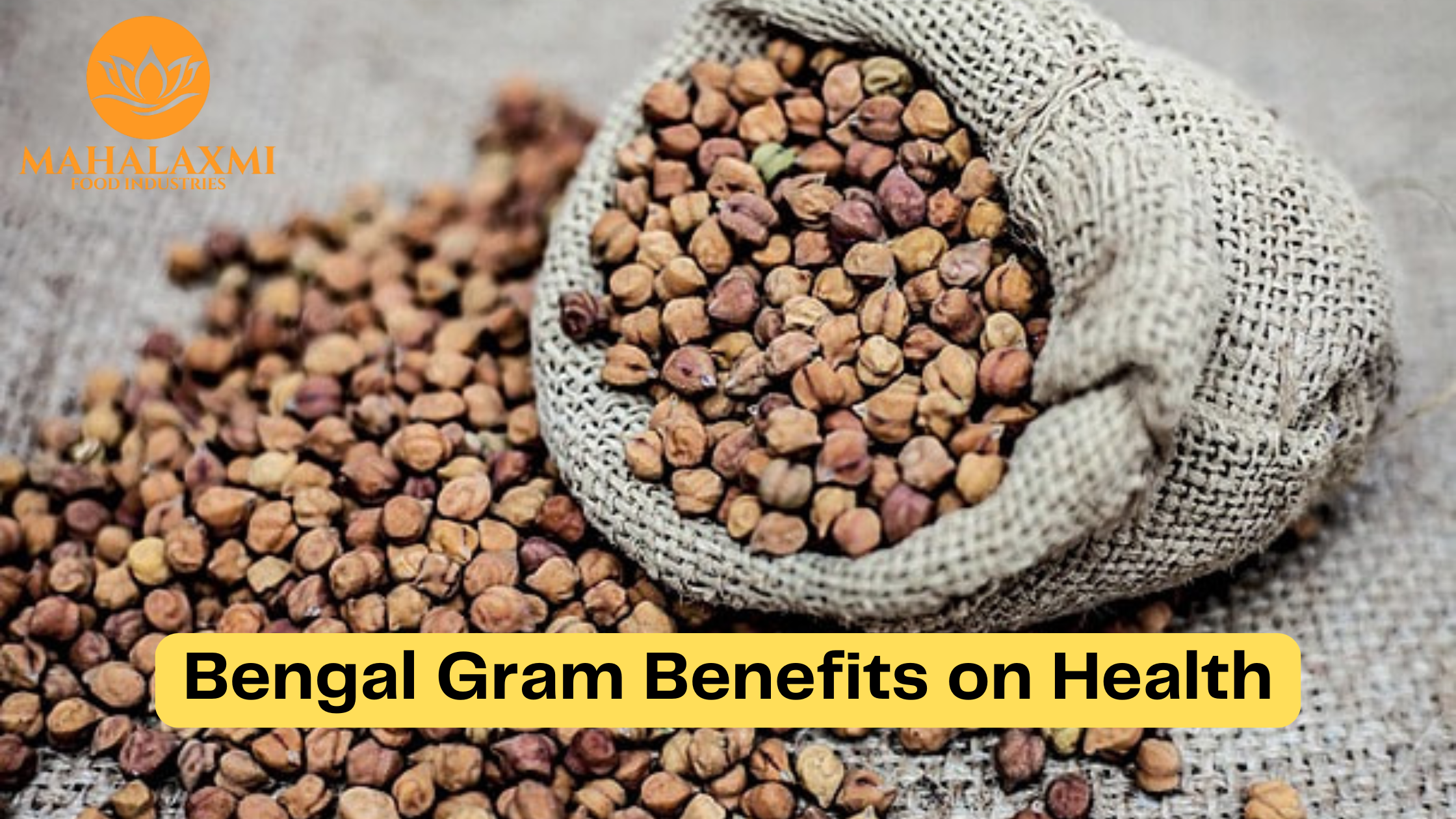

Bengal Gram Benefits on Health 2024, Bengal gram, also known as chickpea or chana, is a staple legume consumed worldwide for its exceptional nutritional value and wide-ranging health benefits. In 2024, as more people turn to plant-based diets and seek nutrient-dense foods to support overall health, Bengal gram continues to be a top choice for maintaining a balanced diet.
In this article, we’ll explore the various health benefits of Bengal gram, from aiding in weight management to boosting heart health, and why you should make this versatile legume a regular part of your diet.
Read More: Jowar /Sorghum Benefits on Health 2024: A Superfood for Your Wellness
Nutritional Profile of Bengal Gram
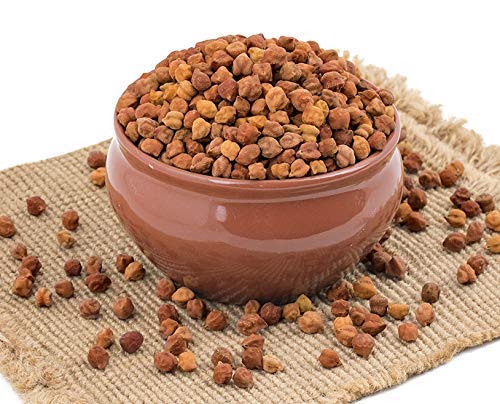
Bengal gram is packed with essential nutrients that support numerous bodily functions and promote overall health. Below is a breakdown of its nutritional content:
- Protein: Bengal gram is rich in plant-based protein, providing about 20 grams per 100 grams, making it an excellent alternative for those looking to reduce or eliminate meat from their diet.
- Carbohydrates: It contains complex carbohydrates, which are digested slowly, providing long-lasting energy and helping to stabilize blood sugar levels.
- Fiber: Bengal gram is high in dietary fiber, offering around 12 grams per 100 grams, which is beneficial for digestive health and weight management.
- Vitamins: It is a good source of B vitamins (including B1, B6, and folate), which play crucial roles in energy metabolism and nervous system function.
- Minerals: Bengal gram contains essential minerals such as iron, magnesium, phosphorus, and potassium, which contribute to bone health, muscle function, and blood pressure regulation.
- Antioxidants: This legume is rich in antioxidants like polyphenols, which protect the body from oxidative stress and inflammation.
Top Health Benefits of Bengal Gram in 2024
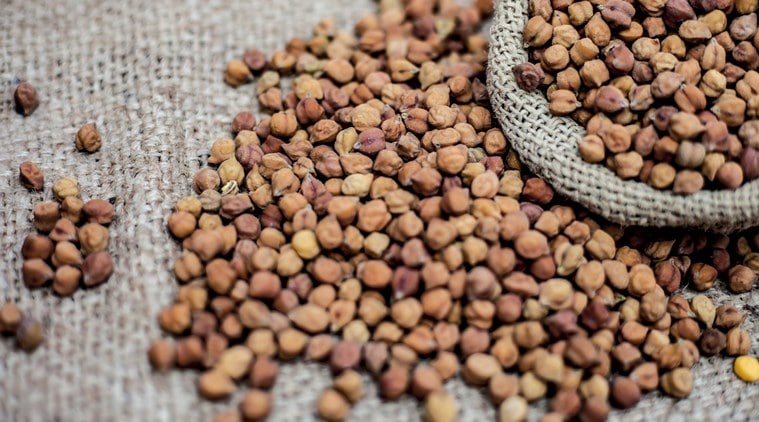
1. Excellent Source of Plant-Based Protein
For individuals who follow a vegetarian or vegan diet, Bengal gram is an excellent source of high-quality protein. It contains all the essential amino acids required for muscle repair and growth, making it an ideal food for athletes, growing children, and anyone seeking to increase their protein intake through plant-based sources.
In 2024, as more people shift to sustainable diets, Bengal gram stands out as a protein-rich option that supports both human health and environmental sustainability.
2. Aids in Weight Management
Bengal gram is rich in both fiber and protein, two key nutrients that promote a sense of fullness and reduce appetite. The fiber in Bengal gram slows down digestion, leading to a steady release of energy, which helps curb overeating and prevents unnecessary snacking between meals.
By incorporating Bengal gram into your diet, you can maintain a healthy weight, manage hunger more effectively, and support long-term weight loss efforts.
3. Supports Digestive Health
The high fiber content of Bengal gram contributes to better digestive health by promoting regular bowel movements and preventing constipation. Soluble fiber in Bengal gram helps feed beneficial gut bacteria, supporting a healthy microbiome and reducing the risk of gastrointestinal disorders like irritable bowel syndrome (IBS).
In 2024, with the growing focus on gut health, Bengal gram offers a natural and effective way to improve digestion and support overall well-being.
4. Helps Control Blood Sugar Levels
Bengal gram has a low glycemic index (GI), meaning it causes a gradual rise in blood sugar levels after consumption. This makes it a great choice for individuals with type 2 diabetes or those who want to keep their blood sugar in check. The fiber in Bengal gram slows down the absorption of carbohydrates, preventing spikes in blood glucose levels.
Consuming Bengal gram regularly can help regulate insulin and improve blood sugar management, making it a valuable food for people looking to prevent or manage diabetes.
5. Promotes Heart Health
Bengal gram is beneficial for heart health in several ways. Its high content of soluble fiber helps reduce levels of LDL (bad) cholesterol, which is a key risk factor for heart disease. Additionally, it contains potassium and magnesium, minerals that help regulate blood pressure, further supporting cardiovascular health.
The antioxidants present in Bengal gram, including polyphenols, help reduce inflammation and protect the heart from oxidative damage, lowering the risk of developing heart-related issues.
6. Rich in Iron for Better Blood Health
Bengal gram is a great source of iron, an essential mineral that supports the production of hemoglobin in red blood cells. Adequate iron intake is crucial for preventing anemia, a condition characterized by fatigue and weakness due to a lack of healthy red blood cells.
For individuals, especially women and those with higher iron requirements, including Bengal gram in the diet can help boost iron levels and improve overall blood health.
7. Supports Bone Health
With its impressive mineral content, Bengal gram is an excellent food for supporting bone health. It is rich in magnesium and phosphorus, both of which are important for maintaining bone density and strength. These minerals work together to prevent bone-related disorders such as osteoporosis.
In 2024, as concerns about bone health increase with aging populations, consuming Bengal gram can help support bone strength and reduce the risk of fractures and other bone issues.
8. Improves Skin Health
Bengal gram contains nutrients like vitamin E, zinc, and antioxidants that are beneficial for skin health. Vitamin E acts as a powerful antioxidant that protects the skin from oxidative damage caused by free radicals. Zinc helps in the repair and regeneration of skin cells, promoting a healthy complexion and reducing the signs of aging.
Incorporating Bengal gram into your diet can contribute to glowing skin, reduce acne, and support overall skin vitality.
9. Boosts Energy Levels
Bengal gram is an excellent source of complex carbohydrates that provide sustained energy throughout the day. Its B vitamins, particularly folate and niacin, play a key role in energy production by helping the body metabolize food into fuel. This makes Bengal gram a great addition to the diets of individuals with busy lifestyles or those who require long-lasting energy for physical activities.
By consuming Bengal gram, you can maintain optimal energy levels without the sudden crashes that often come with refined carbohydrates.
10. Strengthens the Immune System
Bengal gram contains several nutrients, including zinc, vitamin C, and antioxidants, that support the body’s immune system. Zinc is essential for the development and function of immune cells, while antioxidants help combat oxidative stress and reduce inflammation, keeping the body’s defense systems strong.
In a world where immune health remains a priority, especially in 2024, Bengal gram can play a vital role in enhancing immune resilience.
How to Incorporate Bengal Gram into Your Diet

Bengal gram is an incredibly versatile legume that can be included in your diet in numerous ways:
- Chana Dal: Split Bengal gram, also known as chana dal, can be used to make soups, stews, or curries.
- Roasted Chickpeas: Bengal gram can be roasted and seasoned to make a crunchy, nutritious snack.
- Chickpea Flour: Use chickpea flour to make pancakes, flatbreads, or gluten-free baking.
- Salads and Stir-Fries: Add boiled Bengal gram to salads or stir-fries for a protein and fiber boost.
- Hummus: Blend boiled Bengal gram into a smooth hummus with olive oil, garlic, and lemon for a healthy dip or spread.
Conclusion
In 2024, Bengal gram remains one of the most nutrient-dense and versatile legumes available, offering an impressive array of health benefits. From supporting digestion and aiding weight loss to regulating blood sugar and improving heart health, Bengal gram is a superfood that can enhance your well-being in numerous ways.
For those following plant-based diets, Bengal gram provides an excellent source of protein, while its high fiber content ensures that it is both satisfying and beneficial for gut health. Whether consumed as a snack, in salads, or as a curry, Bengal gram is an easy addition to a balanced diet.
FAQs About Bengal Gram Benefits on Health 2024
1. What are the key health benefits of Bengal gram?
Bengal gram offers numerous health benefits, including aiding in digestion, promoting heart health, managing blood sugar levels, and supporting weight loss. It is also rich in protein, fiber, and essential minerals that boost overall health.
2. Is Bengal gram a good source of protein for vegetarians?
Yes, Bengal gram is an excellent source of plant-based protein, making it a great option for vegetarians and vegans. It provides all the essential amino acids needed for muscle repair and growth.
3. Can Bengal gram help with weight loss?
Yes, the fiber and protein content in Bengal gram helps you feel full for longer, which can reduce overeating and help with weight management. Its complex carbohydrates provide sustained energy without spiking blood sugar levels.
4. How does Bengal gram support digestion?
Bengal gram is rich in dietary fiber, which promotes regular bowel movements and prevents constipation. The fiber also nourishes gut bacteria, supporting a healthy digestive system.
5. Is Bengal gram good for people with diabetes?
Yes, Bengal gram has a low glycemic index, which helps regulate blood sugar levels. This makes it an excellent food for people with type 2 diabetes or those looking to manage their blood sugar.
6. Does Bengal gram lower cholesterol?
Yes, Bengal gram contains soluble fiber, which helps reduce LDL (bad) cholesterol levels, supporting better heart health.
7. How can Bengal gram improve bone health?
Bengal gram is rich in minerals like magnesium and phosphorus, which are essential for bone strength and density. Consuming it regularly can help prevent conditions like osteoporosis.
8. What are some easy ways to add Bengal gram to my diet?
You can incorporate Bengal gram into your diet by making chana dal, using chickpea flour in baking, adding it to salads and soups, or roasting it for a healthy snack.
9. Can Bengal gram improve skin health?
Yes, Bengal gram is rich in vitamin E, zinc, and antioxidants, which help promote healthy skin, reduce acne, and combat signs of aging.
10. Are there any side effects of consuming Bengal gram?
For most people, Bengal gram is safe and has no significant side effects. However, consuming it in excess may cause bloating or gas due to its fiber content. If you have specific health conditions, it’s best to consult your healthcare provider before adding it to your diet.