




Moong Dal Benefits on Health 2024: The Ultimate Superfood for Wellness


Moong Dal Benefits on Health 2024, Moong dal, also known as split green gram, is one of the most widely consumed pulses in India and several other countries. It is a rich source of plant-based protein and packed with essential nutrients. As we move into 2024, the focus on healthy eating and plant-based diets is stronger than ever, and moong dal continues to stand out as a highly beneficial food for overall health and wellness. In this comprehensive guide, we will explore the health benefits of moong dal, its nutritional profile, and how incorporating it into your diet can help you achieve better health.
Read More: Kabuli Chana Benefits on Health 2024: A Nutrient-Packed Superfood
Nutritional Profile of Moong Dal
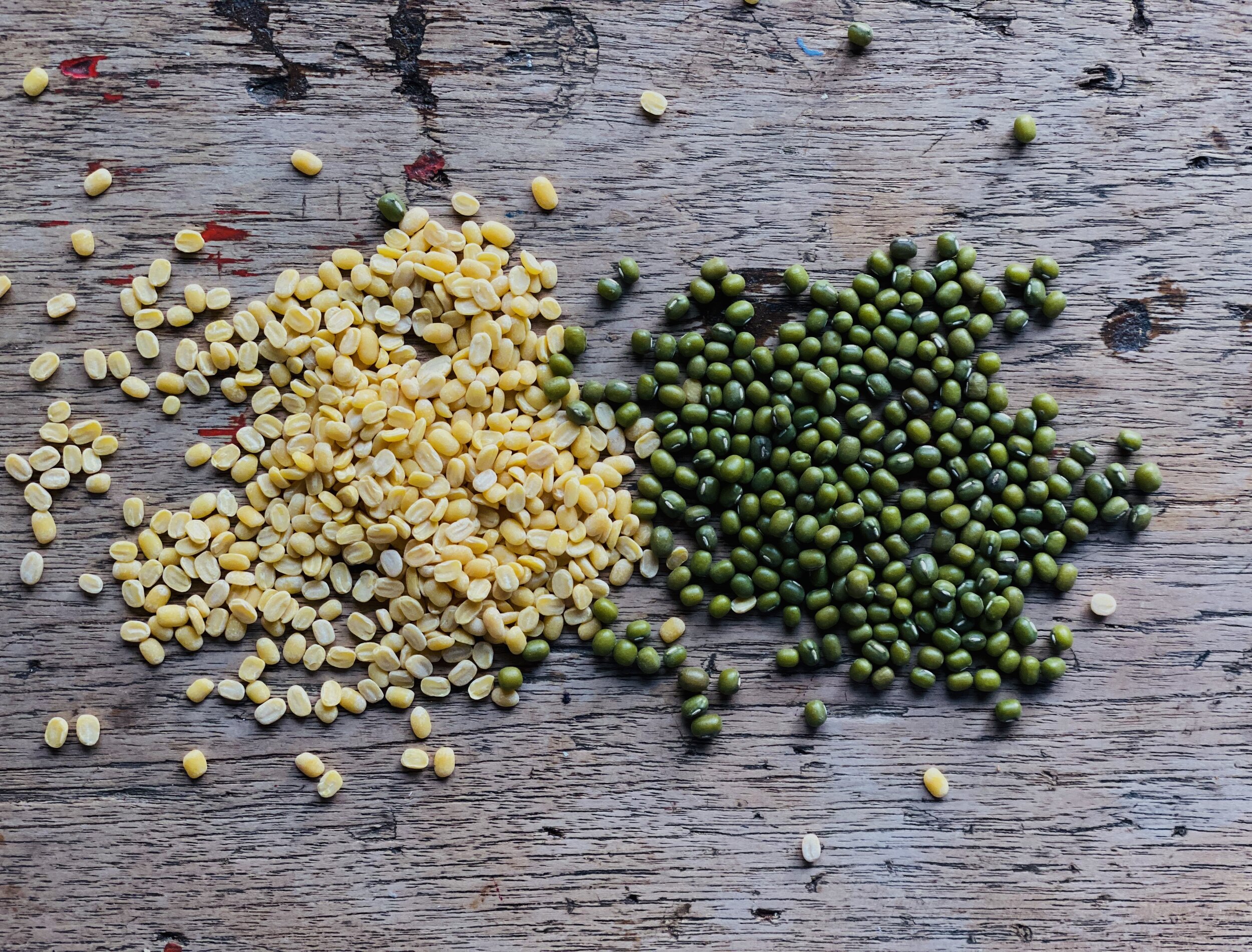
Moong dal is a nutrient-dense legume that offers a broad range of essential vitamins and minerals. A 100-gram serving of cooked moong dal contains:
- Calories: 105 kcal
- Protein: 9 grams
- Carbohydrates: 19 grams
- Fiber: 7 grams
- Fat: 0.4 grams
- Iron: 1.74 mg
- Folate: 159 mcg
- Magnesium: 48 mg
- Potassium: 369 mg
- Vitamin B6: 0.14 mg
Moong dal is low in fat but rich in fiber, protein, B vitamins, and minerals such as magnesium and potassium. It is an ideal food for people looking to maintain or improve their health through natural, nutrient-dense options.
Top Health Benefits of Moong Dal in 2024

1. Rich Source of Plant-Based Protein
Moong dal is an excellent source of plant-based protein, making it a valuable food for vegetarians, vegans, and anyone looking to increase their protein intake without consuming animal products. Protein is essential for the repair and growth of muscles, tissue regeneration, and overall body function. One cup of cooked moong dal provides approximately 9 grams of protein, making it a great option for those focused on increasing their protein consumption.
2. Supports Heart Health
Moong dal can play a key role in promoting heart health due to its high content of potassium and magnesium, which help regulate blood pressure. Additionally, moong dal contains fiber, which helps reduce levels of LDL (bad) cholesterol, lowering the risk of heart disease and stroke. By including moong dal in your diet, you can maintain a healthier cardiovascular system.
3. Helps Manage Blood Sugar Levels
With its low glycemic index (GI), moong dal is a great food for people with diabetes or anyone looking to maintain stable blood sugar levels. The high fiber content in moong dal helps slow down the absorption of sugar in the bloodstream, which prevents spikes in blood sugar. This makes moong dal an excellent choice for individuals managing type 2 diabetes or prediabetes.
4. Aids in Digestion and Gut Health
Moong dal is known for being easy to digest, making it a popular food for individuals with sensitive digestive systems. The high fiber content in moong dal promotes regular bowel movements, helping to prevent constipation and improve overall digestive health. Additionally, moong dal contains both soluble and insoluble fiber, which support gut health by feeding beneficial bacteria in the gut and maintaining a healthy digestive tract.
5. Supports Weight Loss
For individuals looking to manage their weight, moong dal can be an essential part of a weight loss diet. The high fiber and protein content helps promote satiety, keeping you fuller for longer periods and reducing the likelihood of overeating. Moong dal is also low in calories, which makes it an ideal food for those aiming to reduce their calorie intake without compromising on nutrition.
6. Boosts Immune System
Moong dal is packed with essential nutrients that help boost the immune system. Its rich content of vitamin C, folate, and zinc plays a critical role in supporting the body’s defense against infections. Additionally, the antioxidants in moong dal help reduce inflammation and protect cells from oxidative stress, which can enhance your overall immunity.
7. Promotes Healthy Skin
Moong dal is not only beneficial for your internal health but also for your skin. It is rich in antioxidants like vitamin C and vitamin E, which help neutralize free radicals that can cause premature aging. Consuming moong dal regularly can improve skin elasticity, reduce the appearance of fine lines and wrinkles, and promote a radiant complexion. It is also used in traditional beauty treatments as a natural exfoliator to cleanse and rejuvenate the skin.
8. Good for Bone Health
Moong dal contains vital minerals like calcium, magnesium, and phosphorus, which are essential for maintaining strong and healthy bones. These nutrients contribute to improving bone density and preventing conditions like osteoporosis. Regular consumption of moong dal can ensure that your body gets these essential minerals to support bone health.
9. Supports Detoxification
Moong dal is often recommended in detox diets because of its ability to aid in the body’s natural detoxification process. It is light, easy to digest, and helps remove toxins from the digestive system. Consuming moong dal can support liver function, enhance metabolism, and promote the efficient elimination of waste from the body.
10. Helps Combat Anemia
Due to its high content of iron and folate, moong dal can help combat iron-deficiency anemia. Iron is crucial for the production of hemoglobin, which carries oxygen in the blood. Folate is essential for the formation of healthy red blood cells. Including moong dal in your diet can help prevent and manage anemia, particularly for those at higher risk, such as women, children, and vegetarians.
How to Incorporate Moong Dal into Your Diet
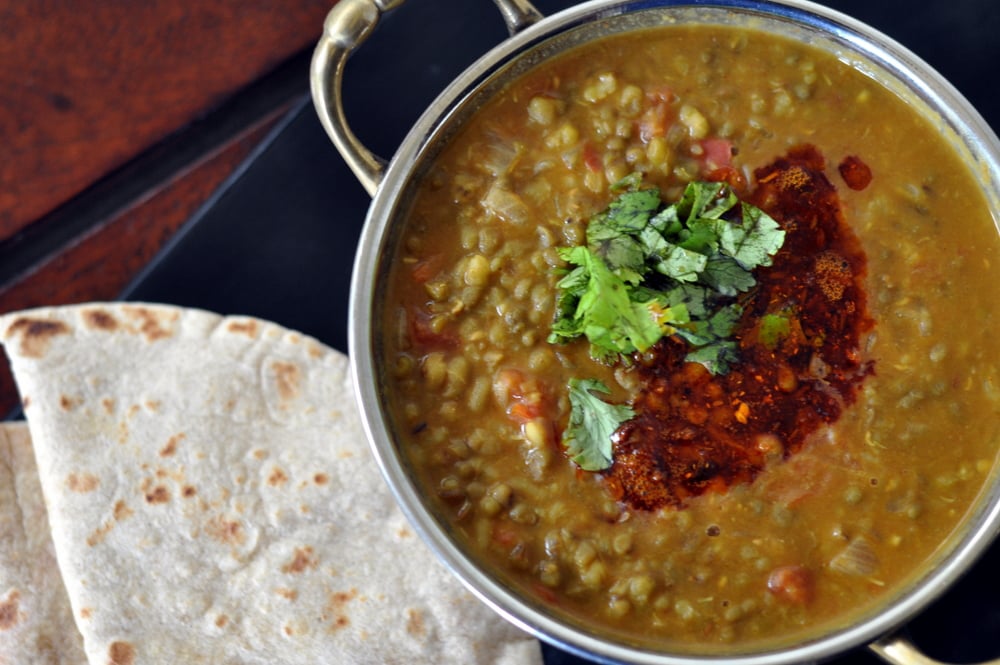
Moong dal is incredibly versatile and can be incorporated into your diet in many delicious ways. Here are some ideas:
- Dal Soup: Boil moong dal with spices like turmeric, cumin, and garlic for a warming and nutritious soup.
- Khichdi: A traditional Indian dish made by cooking moong dal with rice and spices, often considered a comfort food.
- Salads: Add boiled moong dal to your salads for an extra boost of protein and fiber.
- Pancakes: Use moong dal to make savory pancakes or fritters by mixing with spices, herbs, and onions.
- Sprouts: Sprouted moong dal is even more nutritious and can be eaten raw in salads or lightly sautéed with vegetables.
Conclusion
Moong dal is a nutrient-rich superfood that offers an array of health benefits, making it a must-have in your diet for 2024. Whether you’re looking to boost your immune system, improve digestive health, manage blood sugar, or enhance heart health, moong dal provides a natural and effective way to achieve your wellness goals. Its high content of plant-based protein, fiber, and essential vitamins and minerals make it an excellent choice for anyone seeking to improve their health, particularly those following vegetarian or vegan diets.
Incorporating moong dal into your daily meals can have profound positive effects on your overall well-being and help you lead a healthier, more balanced lifestyle in 2024.
Moong dal stands out as one of the most versatile and nutrient-packed legumes, making it a cornerstone of healthy diets across the world. As we move into 2024, the focus on plant-based nutrition and natural superfoods has intensified, and moong dal fits perfectly into this growing trend. Its rich content of protein, fiber, vitamins, and minerals positions it as a powerful dietary staple for improving overall health and well-being.
A Nutrient Powerhouse
One of the key takeaways is moong dal’s status as a rich source of plant-based protein, which makes it especially beneficial for vegetarians and vegans. In an era where the demand for plant-based diets is increasing, moong dal offers an easy and effective way to meet protein needs without relying on animal products. It also provides an excellent balance of macronutrients, with low fat, moderate carbohydrates, and high fiber—ideal for weight management and digestive health.
Aiding in Disease Prevention
The numerous health benefits of moong dal go beyond basic nutrition. Its role in supporting heart health through the reduction of LDL cholesterol and regulation of blood pressure is backed by its high fiber and potassium content. For those with or at risk of diabetes, moong dal’s low glycemic index helps in stabilizing blood sugar levels, making it an essential food for maintaining metabolic health.
Furthermore, its role in detoxification, enhancing digestion, and promoting a healthy gut microbiome speaks to its benefits in overall digestive health. Whether you’re looking to combat constipation or improve gut flora, moong dal delivers a natural solution that works gently on the body.
A Weight Loss Ally
For individuals on a weight loss journey, moong dal offers multiple benefits. Its combination of high fiber and protein helps you feel full for longer, reducing cravings and the risk of overeating. At the same time, it is low in calories, making it a perfect food for those aiming to reduce their caloric intake while still getting the nutrients they need.
Boosting Immunity and Skin Health
Moong dal also works to enhance immune function, thanks to its rich concentration of antioxidants like vitamin C and vitamin E, which protect the body from oxidative stress and inflammation. These antioxidants also contribute to skin health, improving skin elasticity, and slowing the effects of aging by neutralizing free radicals. Whether consumed or used topically, moong dal promotes a radiant, youthful complexion.
Anemia Prevention and Bone Health
Moong dal’s high content of iron and folate makes it a valuable ally in the prevention of anemia, especially for those with higher iron needs, such as women and vegetarians. Additionally, its calcium and magnesium content supports bone health, making it an essential food for maintaining bone density and preventing osteoporosis.
A Food for All Ages
From children to the elderly, moong dal is a food that can be easily adapted into any diet. Its mild flavor, easy digestibility, and adaptability to various cuisines make it ideal for individuals of all ages. Whether it’s part of a detox diet, a high-protein meal plan, or a balanced diet for daily health, moong dal offers something for everyone.
Future of Moong Dal in 2024
In 2024, as health consciousness continues to rise, moong dal will undoubtedly remain at the forefront of nutritious eating. Its ability to provide complete nutrition, promote disease prevention, and cater to a wide array of dietary needs makes it an indispensable part of modern diets. By incorporating moong dal into your meals—whether as a dal, a soup, a sprouted snack, or even in salads—you are making an investment in long-term health and well-being.
In conclusion, moong dal is more than just a staple food; it is a superfood that nourishes the body, boosts immunity, aids in weight loss, and supports overall health. Its versatility and array of benefits make it one of the best dietary choices for a healthy and balanced life in 2024.
FAQs About Moong Dal Benefits on Health 2024
1. What are the primary health benefits of moong dal?
Moong dal is rich in plant-based protein, fiber, and essential nutrients like magnesium, potassium, and vitamins B6 and C. It supports heart health, helps regulate blood sugar levels, promotes digestive health, aids in weight loss, and boosts the immune system.
2. Is moong dal good for weight loss?
Yes, moong dal is low in calories and high in fiber and protein, which helps keep you full for longer, reducing the chances of overeating. Its fiber content also supports better digestion, making it a great choice for weight management.
3. Can moong dal help manage diabetes?
Yes, moong dal has a low glycemic index (GI), meaning it doesn’t cause sudden spikes in blood sugar levels. It is an excellent choice for individuals with diabetes or those at risk of developing type 2 diabetes.
4. Is moong dal easy to digest?
Yes, moong dal is known for being light and easy on the digestive system. Its high fiber content aids in digestion, preventing issues like constipation and supporting overall gut health.
5. How does moong dal improve heart health?
Moong dal is rich in potassium, magnesium, and fiber, which are key to maintaining heart health. These nutrients help regulate blood pressure, reduce cholesterol levels, and lower the risk of heart disease.
6. Is moong dal good for skin health?
Yes, moong dal is rich in antioxidants like vitamin C and vitamin E, which help protect the skin from free radicals and prevent premature aging. It can improve skin elasticity and promote a radiant complexion.
7. Can moong dal help with anemia?
Yes, moong dal is a good source of iron and folate, both of which are essential for preventing and managing anemia. These nutrients support the production of red blood cells and improve oxygen circulation in the body.
8. How does moong dal support the immune system?
Moong dal is packed with vitamins, minerals, and antioxidants that help boost the immune system. It strengthens the body’s defense against infections and reduces inflammation.
9. Can moong dal be eaten raw?
Moong dal can be consumed as sprouts, which are highly nutritious. Sprouted moong dal can be eaten raw in salads or lightly sautéed for added flavor and nutrients.
10. How can I include moong dal in my diet?
Moong dal is versatile and can be used in various dishes such as dal soup, khichdi, salads, pancakes, and fritters. It can also be sprouted and added to salads or eaten as a snack.