




Raagi Benefits on Health 2024: The Ancient Grain for Modern Wellness


Raagi Benefits on Health 2024, Raagi, also known as finger millet, is one of the most nutrient-dense and versatile grains, gaining prominence as a superfood in modern diets. In 2024, the focus on health and wellness has led to a renewed appreciation for whole grains like raagi, which have been a staple in traditional diets for centuries. Rich in calcium, iron, fiber, and essential amino acids, raagi offers a multitude of health benefits, making it a go-to choice for individuals seeking optimal nutrition.
This article will explore the comprehensive benefits of raagi for health in 2024, how it supports overall well-being, and why it’s becoming an integral part of healthy eating trends.
Read More: Roasted Chana Benefits on Health 2024: A Powerhouse of Nutrition
Nutritional Profile of Raagi

Raagi is a powerhouse of nutrition, offering a variety of essential vitamins and minerals. Here’s a look at its nutrient composition per 100 grams of raw raagi:
- Calories: 336 kcal
- Protein: 7.3 grams
- Carbohydrates: 72.6 grams
- Dietary Fiber: 11.5 grams
- Calcium: 344 mg
- Iron: 3.9 mg
- Magnesium: 137 mg
- Potassium: 490 mg
- Folate: 18 mcg
Raagi’s rich nutrient profile makes it an ideal grain for energy, bone health, digestive support, and overall vitality.
Health Benefits of Raagi in 2024
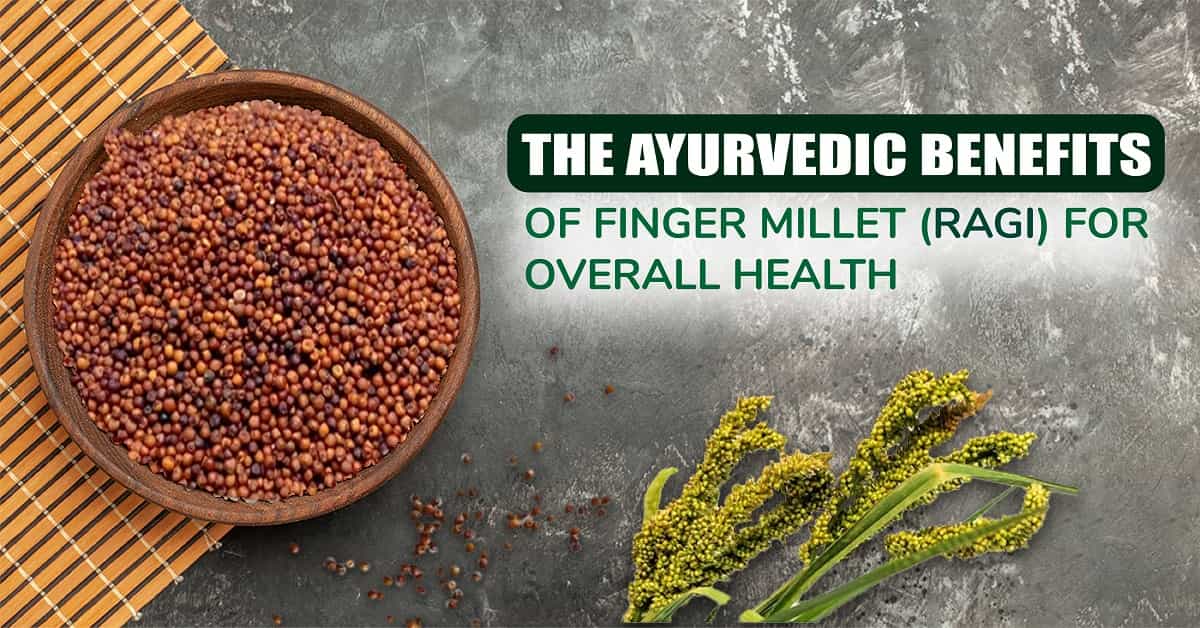
1. Exceptional Source of Calcium for Bone Health
Raagi is renowned for its high calcium content, making it one of the best plant-based sources of this vital mineral. In fact, 100 grams of raagi contains around 344 mg of calcium, which is significantly higher than most other grains. Calcium is essential for maintaining strong bones and teeth, and it plays a crucial role in preventing osteoporosis and bone density loss. In 2024, with the increasing focus on bone health, especially for women and the elderly, raagi stands out as a natural way to meet calcium needs.
2. Rich in Dietary Fiber: Supports Digestive Health
Raagi is an excellent source of dietary fiber, which promotes healthy digestion and regulates bowel movements. The high fiber content helps prevent constipation and ensures the smooth functioning of the digestive system. Moreover, fiber helps in maintaining a healthy gut microbiome by supporting the growth of beneficial gut bacteria. For those looking to improve digestive health naturally, incorporating raagi into their diet is a wise choice.
3. Aids in Weight Loss and Management
With its low glycemic index (GI) and high fiber content, raagi is an excellent grain for individuals seeking to manage or lose weight. The slow digestion of complex carbohydrates in raagi helps control blood sugar levels and provides a prolonged feeling of fullness, which reduces cravings and prevents overeating. Its ability to regulate appetite and support metabolic health makes raagi an ideal grain for those on a weight loss journey in 2024.
4. Helps Control Blood Sugar Levels
Raagi is considered a diabetes-friendly grain due to its low glycemic index, which ensures that carbohydrates are digested and absorbed slowly, preventing sharp spikes in blood sugar levels. For individuals with type 2 diabetes or those at risk of developing diabetes, incorporating raagi into their daily diet can help stabilize blood sugar levels and improve insulin sensitivity.
5. Rich in Antioxidants: Fights Oxidative Stress
Raagi is a potent source of antioxidants, such as polyphenols and flavonoids, which help neutralize free radicals in the body. These antioxidants play a crucial role in reducing inflammation, preventing cell damage, and supporting overall immune function. The antioxidant properties of raagi also contribute to heart health and reduce the risk of chronic diseases like cancer and heart disease.
6. Promotes Heart Health
The combination of dietary fiber, antioxidants, and essential minerals like magnesium and potassium makes raagi a heart-healthy grain. Fiber helps lower cholesterol levels, while magnesium and potassium work together to regulate blood pressure and support overall cardiovascular health. Regular consumption of raagi can reduce the risk of hypertension, stroke, and atherosclerosis.
7. Natural Source of Iron: Combats Anemia
Raagi is an excellent source of iron, which is essential for the production of hemoglobin and the prevention of anemia. This makes raagi particularly beneficial for individuals prone to iron deficiency, such as women, vegetarians, and children. In addition to its high iron content, raagi also contains vitamin C, which enhances iron absorption, making it a powerful grain for maintaining healthy blood levels.
8. Boosts Skin Health
The antioxidants found in raagi, particularly methionine and lysine, help slow down the signs of aging and promote skin elasticity. Regular consumption of raagi can prevent wrinkles, fine lines, and skin damage caused by oxidative stress. Additionally, the nutrients in raagi help maintain skin hydration, leaving it radiant and youthful.
9. Supports Muscle Development
For those engaged in physical activities or looking to build muscle strength, raagi is a fantastic grain due to its high protein and amino acid content. Raagi contains essential amino acids like valine, methionine, and isoleucine, which are crucial for muscle repair and growth. It also provides sustained energy, making it an excellent food choice for athletes and active individuals.
10. Gluten-Free Grain: Suitable for People with Celiac Disease
Raagi is naturally gluten-free, making it a safe and nutritious option for individuals with gluten intolerance or celiac disease. As awareness of gluten-related disorders increases in 2024, raagi’s gluten-free nature offers a wholesome alternative to wheat and other gluten-containing grains.
How to Incorporate Raagi into Your Diet

Raagi is highly versatile and can be incorporated into your diet in several ways. Here are some popular and delicious ways to enjoy raagi:
- Raagi Porridge: A nutritious and filling breakfast option made by cooking raagi flour in water or milk and sweetening with jaggery or honey.
- Raagi Roti: A gluten-free flatbread made from raagi flour that can be paired with vegetables, dal, or curries.
- Raagi Malt: A refreshing and energizing drink made by mixing raagi flour with water or milk, perfect for boosting energy levels.
- Raagi Idli and Dosa: A South Indian specialty made with raagi flour, offering a healthier twist to traditional rice-based idlis and dosas.
- Raagi Cookies and Cakes: For a healthier dessert option, raagi flour can be used in baking cookies, cakes, and muffins.
- Raagi Soup: A comforting and nutrient-packed soup made with raagi flour and vegetables, ideal for weight loss and detoxification.
Conclusion
In 2024, as the focus on holistic health and natural nutrition continues to grow, raagi emerges as a superfood that offers a wide range of health benefits. Whether it’s improving bone health, aiding in weight loss, stabilizing blood sugar levels, or promoting digestive health, raagi provides essential nutrients that contribute to overall well-being. Its antioxidant and gluten-free properties make it an excellent choice for individuals seeking to manage chronic conditions or simply maintain a balanced diet.
By incorporating raagi into your daily meals, you can harness the power of this ancient grain to support your health goals and enjoy long-term benefits. Whether consumed as porridge, roti, or malt, raagi remains a delicious and versatile grain that nourishes both body and mind.
FAQs About Raagi Benefits on Health 2024
1. What is raagi, and why is it beneficial?
Raagi, also known as finger millet, is a highly nutritious grain rich in calcium, fiber, protein, and essential minerals like iron and magnesium. Its numerous health benefits include improving bone health, supporting digestion, managing blood sugar levels, and promoting weight loss.
2. Is raagi gluten-free?
Yes, raagi is naturally gluten-free, making it a perfect grain for individuals with gluten intolerance or celiac disease.
3. How does raagi help with weight loss?
Raagi is high in dietary fiber and has a low glycemic index, which helps promote a feeling of fullness and reduces hunger pangs. It aids in weight management by keeping you fuller for longer and regulating blood sugar levels.
4. Can raagi be beneficial for people with diabetes?
Yes, due to its low glycemic index, raagi helps slow down the digestion and absorption of carbohydrates, preventing sudden spikes in blood sugar. It’s a good choice for people with type 2 diabetes.
5. What makes raagi good for bone health?
Raagi is one of the richest plant-based sources of calcium, a mineral essential for maintaining strong bones and teeth. It helps in preventing osteoporosis and bone loss, especially for women and the elderly.
6. How does raagi benefit the digestive system?
Raagi is rich in dietary fiber, which promotes healthy digestion and regular bowel movements. It also supports a healthy gut microbiome by acting as a prebiotic.
7. Is raagi suitable for children and elderly people?
Yes, raagi is suitable for both children and elderly individuals due to its high calcium and iron content. It helps in bone development for children and prevents bone loss and anemia in the elderly.
8. Can raagi help combat anemia?
Raagi is a good source of iron, which is crucial for the production of hemoglobin and preventing anemia. It’s particularly beneficial for women and individuals following a vegetarian or vegan diet.
9. What are some ways to include raagi in the diet?
Raagi can be consumed in various forms, such as raagi porridge, raagi roti, raagi malt, raagi cookies, and even raagi dosa. Its versatility allows it to be incorporated into both sweet and savory dishes.
10. Does raagi have anti-aging properties?
Yes, the antioxidants present in raagi, such as methionine and lysine, help slow down aging, improve skin health, and prevent the formation of wrinkles and fine lines.